
Customer Education
Cascade Chimney Service evaluates hearth systems using nationally recognized standards, manufacturer requirements, and field experience.
Common references include NFPA 211 Chapter 14, Section 14.2 for annual chimney/fireplace/vent inspection, NFPA 211 Chapter 14, Section 14.2.1 for cleaning, maintenance, and repair when needed, NFPA 211 Chapter 15, Section 15.2 for inspection scope, IRC Chapter 10 Section R1001.11 for masonry fireplace clearances, IRC Chapter 18 for chimneys and vents serving solid-fuel appliances, IRC Chapter 24 / IFGC for fuel gas systems, and IFGC Section 605.1 for vented gas fireplace heater installation per manufacturer instructions.
EPA Burn Wise also recommends burning wood under 20% moisture for cleaner, hotter fires. For our wood we recommend between 12% and 16% which takes roughly 2 seasons to get there.
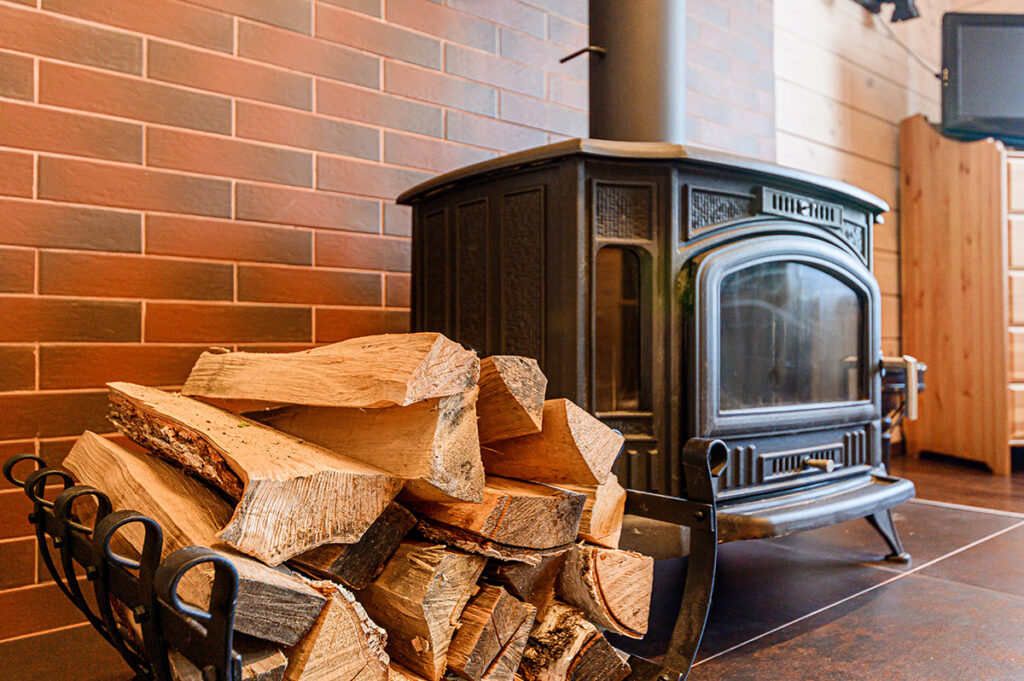
Need assistance with your Wood System? Call Cascade Chimney at 541.388.3981
Wood Systems
It is best to have the fireplace, chimney, stove, or insert inspected before use or even before home sale. A general home inspection is not the same as a hearth system inspection. A pre-listing inspection is the best way to catch issues before they turn into negotiation items.
Possible hidden issues include prior chimney fire, cracked liner, improper appliance connection, missing cap, creosote buildup, damaged panels, unsafe clearances, or venting defects.
What usually solves it: a more detailed inspection, often a Level 2 evaluation, especially when the system history is unknown.
Call Cascade Chimney Service before using a fireplace in a newly purchased home.
Water can enter through a missing cap, cracked crown, damaged chase cover, failed flashing, porous masonry, damaged mortar joints, missing storm collar, or condensation inside the venting system.
Water can rust dampers, damage masonry, stain walls, worsen odor, and accelerate deterioration.
What you can check: rust, white staining, damp odor, dripping, cracked fireplace backwall, loose mortar, or stains near the fireplace.
What usually solves it: chimney cap replacement, crown repair, chase cover replacement, flashing repair, masonry repair, waterproofing where appropriate, or venting correction.
Call Cascade Chimney Service if you see water, rust, staining, or damp odor around the fireplace or chimney.
A smoky smell usually means air is carrying odor from soot, creosote, ash, or moisture back into the home. This can happen because of negative pressure, stack effect, a poor damper seal, moisture intrusion, or a dirty flue.
What you can try first: close the damper, turn off exhaust fans to see if odor improves, check whether the smell worsens during rain or wind, and make sure the chimney has a proper cap.
What usually solves it: chimney cleaning, cap repair, top-sealing damper installation, chase cover repair, moisture correction, or draft/pressure correction.
Call Cascade Chimney Service if fireplace odor keeps returning.
Creosote is combustible residue that forms when wood smoke cools inside the chimney. It may look flaky, sticky, shiny, tar-like, or hard and glazed.
Creosote is dangerous because it can ignite inside the chimney. It also restricts airflow, worsens draft, increases odor, and makes the system harder to operate cleanly.
What you can do: burn dry wood, avoid smoldering fires, keep fires hot enough for clean combustion, and schedule annual inspections.
Call Cascade Chimney Service for creosote evaluation and professional chimney sweeping.
A wood stove that will not stay lit usually has a fuel, air, or draft issue. Fire needs dry fuel, enough oxygen, and a chimney that pulls.
What you can try first: use dry kindling, smaller splits, fully open air controls, a top-down fire, and a slightly cracked nearby window during startup. Avoid packing the stove tightly before draft is established.
What usually solves it: dry wood, better startup technique, chimney cleaning, cap cleaning, gasket repair, or draft evaluation.
Call Cascade Chimney Service if the stove only burns well with a window open or will not stay lit.
Burn dry, seasoned firewood under 20% moisture. Wood should be split, stacked off the ground, covered on top, and stored with airflow around the sides.
Wet wood creates more smoke, more creosote, dirtier glass, weaker heat, and more odor. Avoid treated lumber, painted wood, plywood, particle board, trash, cardboard, glossy paper, plastic, driftwood, and construction scraps.
What you can try first: split a log and test the fresh inside face with a moisture meter.
Call Cascade Chimney Service if your system smokes, smells, or builds creosote quickly even when the wood seems dry.
Black glass usually means the stove is burning too cool or producing too much smoke. Common causes include wet wood, turning the air down too soon, weak draft, dirty chimney, clogged cap screen, worn door gasket, or blocked air wash. Black glass is always caused by poor burn habits or a faulty system and we can help with these.
What you can try first: test wood with a moisture meter, use smaller dry splits, let the stove reach temperature before reducing air, avoid smoky burns, and check that the door gasket seals firmly.
What usually solves it: better fuel, improved burn habits, gasket replacement, chimney cleaning, baffle inspection, cap cleaning, or draft correction.
Call Cascade Chimney Service if the glass turns black quickly after cleaning.
Smoke can spill when the door opens before the chimney draft is strong enough. The solution is to open the stove slowly and let the draft stabilize.
What to do: open the air control fully for 2-5 minutes, let the fire brighten, unlatch the door slightly, pause with the door cracked, then open slowly.
This is often called “burping” the stove. It gives pressure and draft time to settle before the door opens fully.
What usually solves it: better door-opening technique, dry wood, stronger draft, chimney cleaning, or cap cleaning.
Call Cascade Chimney Service if smoke spills every time the door opens.
A clean startup depends on dry fuel, enough air, and a warm flue. Startup smoke often happens because the chimney is cold and the air inside it is heavy.
Try this method: open the damper, crack a nearby window, turn off exhaust fans, place larger splits on the bottom, smaller splits above, kindling and fire starter on top, then light from the top. This top-down method helps heat the flue faster.
If cold air is coming down the chimney, warm the flue first with a lit roll of newspaper near the open damper or warm air directed safely upward.
What usually solves it: dry wood, top-down fire-building, flue preheating, chimney cleaning, or draft correction.
Call Cascade Chimney Service if every fire starts smoky even with dry wood and proper startup.
Smoke entering the room means the fireplace or chimney is not drafting properly. Draft is the movement of smoke and combustion gases up the chimney. When the draft is weak or reversed, smoke takes the easier path into the living space. Atmospheric pressure naturally wants to equalize itself much the same way water does. Cold air is dense while hot air is not.
Common causes include a cold flue, wet wood, blocked cap, dirty chimney, closed damper, negative house pressure, weak chimney height, wind effects, or a fireplace opening that is too large for the flue.
What you can try first: open the damper fully, turn off exhaust fans and dryers, crack a nearby window, use dry kindling, build the fire toward the back, try a top-down fire, and preheat the flue before lighting.
What usually solves it: dry wood, better startup technique, chimney cleaning, cap cleaning, damper repair, draft correction, or flue sizing review.
Call Cascade Chimney Service if smoke continues after basic troubleshooting. Smoking in the home deserves a full system evaluation.
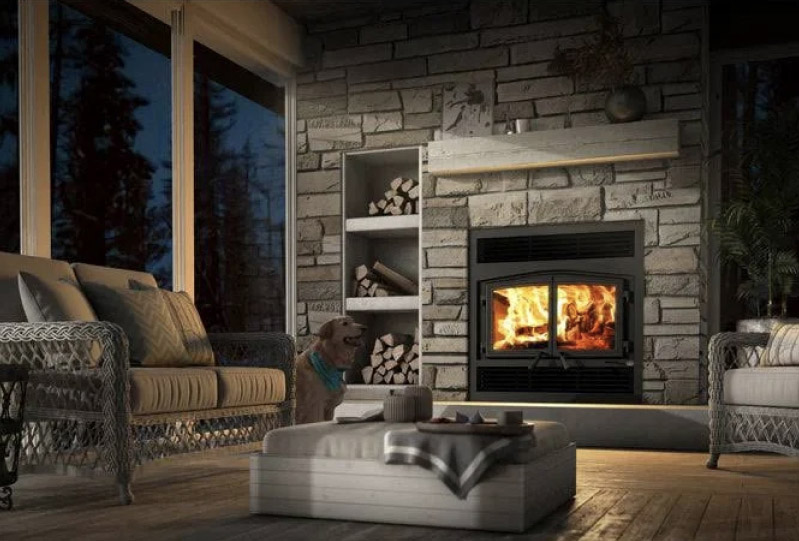
Need assistance with your Gas System? Call Cascade Chimney at 541.388.3981
Gas Systems
Many wood fireplaces can be converted to gas, but the best method depends on the existing fireplace, chimney, gas access, venting, clearances, and desired result.
Gas logs preserve more open-fireplace character. Gas inserts usually provide better heat and control. Full replacement may be best when the old fireplace is damaged, inefficient, outdated, or not suitable.
What you can do first: do not buy the appliance before the site is evaluated.
What usually solves it: a conversion plan based on safety, appearance, heat goals, code, manufacturer requirements, and serviceability.
Call Cascade Chimney Service to inspect your wood fireplace and help choose the right gas conversion option.
Any fuel-burning appliance can create carbon monoxide concerns if it is improperly installed, poorly maintained, damaged, or not venting correctly. CO alarms are important, but they are not a replacement for proper installation, use, and maintenance.
What you can do: keep CO alarms installed and working, do not block vents, watch for soot, unusual flame, headaches during use, exhaust odor, or fireplace shutdowns.
What usually solves it: annual service, vent inspection, burner cleaning, combustion review, and correction of any venting or safety issue.
Call Cascade Chimney Service if you have any concern about gas fireplace venting, soot, odor, or carbon monoxide risk.
It depends on the fireplace, the season, and the manufacturer’s instructions. Standing pilot systems are designed to keep a small pilot flame burning. Some people turn the pilot off during warmer months to save fuel and reduce heat at the fireplace. IPI systems use intermittent ignition and do not keep a standing pilot unless set to do so.
What you can try first: check the manual to see whether your unit has standing pilot, intermittent pilot, or cold climate mode.
What usually solves it: understanding the system type and setting it correctly for the season.
Call Cascade Chimney Service if you are unsure how your pilot system should be set or if the pilot is difficult to relight.
Remote and wall switch issues are very common. Many gas fireplaces use batteries in the remote, receiver box, or battery backup. Low-voltage wall switches can also fail or lose connection.
What you can try first: replace batteries, check the receiver position, confirm the fireplace is in remote mode if applicable, and test whether the wall switch responds.
What usually solves it: battery replacement, receiver replacement, switch replacement, wiring repair, or control module diagnostics.
Call Cascade Chimney Service if the fireplace works intermittently or will not respond to the switch or remote.
Gas fireplace flame appearance can change because of dirty burners, incorrect media placement, air shutter issues, gas pressure problems, venting restrictions, or a fireplace that has not been serviced recently.
A flame that is too low may not provide the desired appearance or heat. A flame that is too tall may contact logs, glass, or internal components and create soot. A flame that looks unusual compared to normal operation should be checked.
Some systems cannot be adjusted and an upgrade may be required to achieve the desired look.
What you can try first: confirm the flame height control is set correctly, check batteries, and make sure logs or media have not been moved.
What usually solves it: burner cleaning, flame adjustment, media correction, gas pressure testing, or venting evaluation.
Call Cascade Chimney Service if your gas fireplace flame looks weak, unusually tall, uneven, or different than normal.
A brief dusty smell at first seasonal use can be normal as dust burns off. A strong gas odor, rotten egg smell, chemical smell, soot smell, or exhaust-like odor is not normal.
What you can try first: turn the fireplace off and let it cool. Make sure vents are not blocked. If you smell gas, leave the area and contact the gas provider or emergency service.
What usually solves it: cleaning dust and debris, checking burner operation, verifying log/media placement, inspecting venting, and checking for gas leaks or combustion issues.
Call Cascade Chimney Service if odor persists, seems unusual, or returns every time the unit runs.
Cloudy or white glass is usually caused by combustion residue, mineral deposits, or normal off-gassing from fireplace materials. It is common, but it should still be cleaned properly.
What you can try first: let the unit cool fully, check the manual for approved cleaning instructions, avoid abrasive pads, and avoid harsh cleaners.
If cloudiness returns quickly, the flame pattern, burner, seal, or venting may need attention.
What usually solves it: professional glass cleaning plus burner inspection, media placement check, gasket review, and flame quality evaluation.
Call Cascade Chimney Service for professional gas fireplace cleaning and maintenance.
Heavy soot on a gas fireplace is not normal. It means the flame is not burning cleanly.
Common causes include logs or media out of position, dirty burner ports, flame impingement, restricted airflow, damaged glass gasket, incorrect gas pressure, poor combustion, incorrect air mix, or venting issues.
What you can try first: stop using the fireplace if soot is heavy, do not rearrange logs unless the manual shows exact placement, and do not add unapproved media.
What usually solves it: burner cleaning, log placement correction, gasket repair, gas pressure testing, combustion adjustment, or venting inspection.
Call Cascade Chimney Service for gas fireplace soot diagnostics.
Delayed ignition happens when gas builds up briefly before lighting. This can create a soft whoosh, pop, or boom. It should not be ignored.
Common causes include dirty burner ports, poor pilot flame position, delayed spark, improper log placement, blocked burner openings, or gas pressure issues.
What you can try first: stop using the fireplace if ignition is loud or delayed. Do not move logs or media unless the manual shows the exact placement.
What usually solves it: burner cleaning, pilot adjustment, media placement correction, ignition testing, and gas pressure evaluation.
Call Cascade Chimney Service if your gas fireplace lights with a bang, pop, or delayed whoosh.
If the pilot is on but the main burner will not come on, the fireplace may not be receiving enough signal to open the gas valve. This is commonly related to the thermopile, wall switch, remote receiver, wiring, control module, or gas valve.
What you can try first: replace batteries, check the wall switch, confirm the thermostat is calling for heat, and make sure the pilot flame is strong and steady.
What usually solves it: thermopile testing, switch or receiver repair, wiring correction, pilot cleaning, or gas valve diagnostics.
Call Cascade Chimney Service if the pilot stays lit but the burner will not come on.
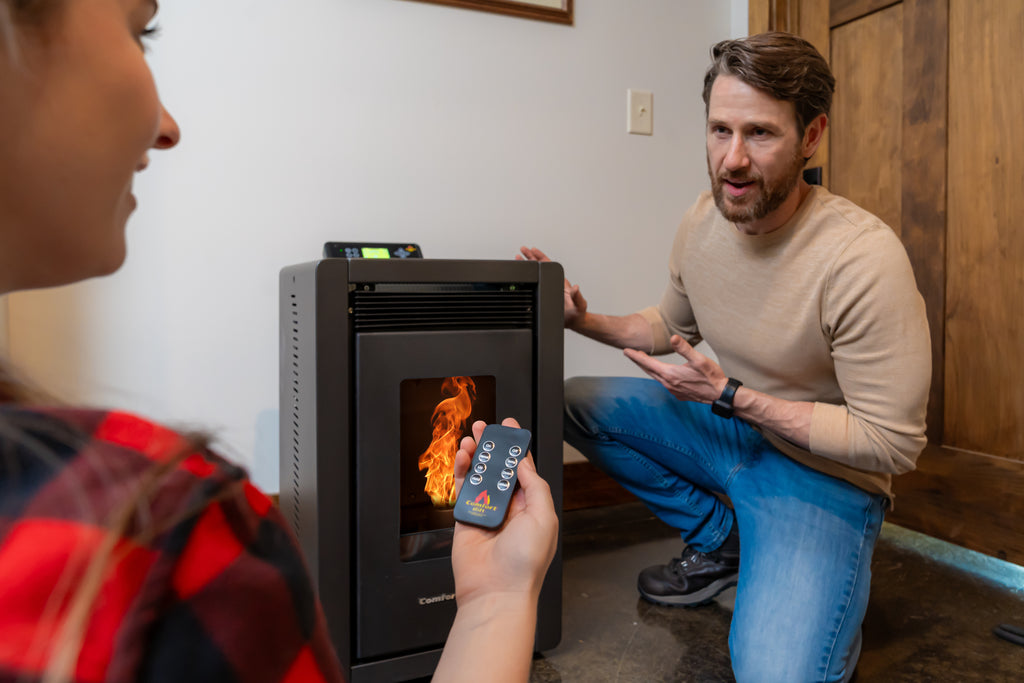
Need assistance with your Pellet System? Call Cascade Chimney at 541.388.3981
Pellet Systems
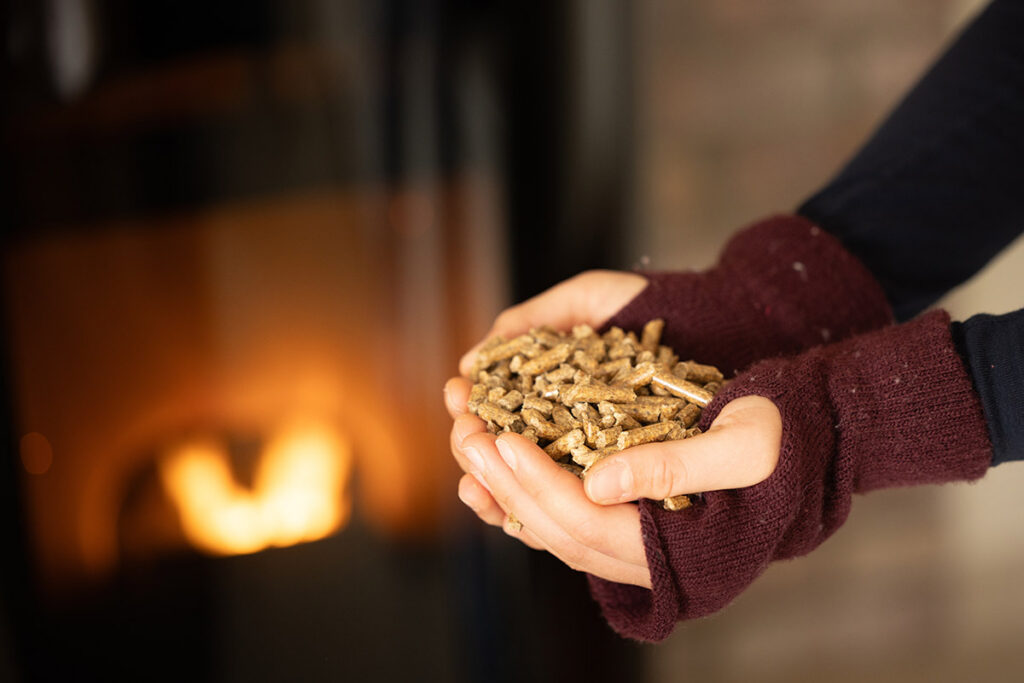
Use clean, dry, high-quality pellets recommended by the stove manufacturer. Poor pellets can create more ash, clinker buildup, dirty glass, weak heat, lazy flame, and more frequent shutdowns. We recommend Packsaddle pellets.
What you can try first: store pellets indoors or in a dry area, avoid swollen or crumbling pellets, and try a higher-quality pellet if performance is poor.
What usually solves it: better fuel, cleaning, feed adjustment, or airflow correction.
Call Cascade Chimney Service if changing pellets does not improve flame quality or heat output.
Pellet stoves have moving parts, so some sound is normal. New grinding, squealing, rumbling, rattling, or scraping is not.
Common causes include auger jams, dry bearings, blower wear, loose panels, debris in the fan, ash buildup, or a motor beginning to fail.
What you can try first: empty ash, check for loose panels, confirm pellets are dry, and stop the stove if the noise sounds mechanical or harsh.
What usually solves it: cleaning, tightening, blower service, auger inspection, motor replacement, or bearing repair.
Call Cascade Chimney Service if your pellet stove develops a new or worsening noise.
Black pellet stove glass usually means poor combustion. The flame is producing more soot than it should.
Common causes include dirty burn pot, poor pellets, low airflow, ash buildup, leaking door gasket, blocked venting, incorrect feed rate, or weak combustion blower.
What you can try first: clean the burn pot, use better pellets, check the gasket seal, and make sure the vent termination is clear.
What usually solves it: airflow cleaning, gasket replacement, vent cleaning, blower service, or feed/air adjustment.
Call Cascade Chimney Service if the glass turns black quickly after cleaning.
A pellet stove may shut off if it loses flame, runs out of fuel, overheats, fails to prove draft, detects a blocked vent, has dirty sensors, or cannot feed pellets consistently.
What you can try first: clean the burn pot, empty ash, check pellet level, make sure pellets are dry, verify the door is latched, and check the vent termination.
What usually solves it: deep cleaning, exhaust path cleaning, sensor service, gasket replacement, vacuum switch diagnostics, feed repair, or blower service.
Call Cascade Chimney Service if your pellet stove starts but shuts down before heating properly.
A pellet stove that is not feeding may have a fuel jam, auger issue, airflow fault, or safety switch problem. Many stoves stop feeding if the control system does not detect safe draft or proper operation.
What you can try first: confirm the hopper has dry pellets, break up pellet bridging, remove obvious clumps, make sure the door is latched, and check for an error code.
Do not force the auger or bypass safety switches.
What usually solves it: clearing an auger jam, replacing an auger motor, cleaning the vent, repairing a vacuum hose, replacing a switch, or correcting airflow.
Call Cascade Chimney Service if your pellet stove is not feeding pellets or keeps shutting down.
A lazy, dark, smoky pellet stove flame usually means the stove cannot breathe properly. Pellet stoves are highly airflow-sensitive.
Common causes include ash buildup, dirty burn pot, blocked air holes, plugged exhaust path, dirty combustion blower, poor pellet quality, leaking door gasket, restricted intake, blocked vent cap, or overdue cleaning.
What you can try first: clean the burn pot thoroughly, empty the ash pan, use dry quality pellets, confirm the door seals tightly, and check that the exhaust termination is clear.
What usually solves it: deep internal cleaning, gasket repair, blower cleaning, vent cleaning, or airflow adjustment.
Call Cascade Chimney Service if your pellet stove flame is lazy, smoky, weak, or sooty.
A pellet stove that will not ignite usually has an ignition, fuel, airflow, or exhaust issue. Pellet stoves need dry pellets, a clean burn pot, a working igniter, proper airflow, and clear venting.
What you can try first: clean the burn pot, clear ash from accessible areas, confirm pellets are dry, make sure the door is latched, check hopper feed, and restart according to the manual.
What usually solves it: deep cleaning, igniter replacement, sensor testing, vent cleaning, blower service, gasket replacement, or feed repair.
Call Cascade Chimney Service if your pellet stove fills with pellets without lighting or starts and shuts down.
Pellet stoves should be cleaned regularly during use and professionally deep cleaned at least once a year.
Ash collects in the burn pot, ash traps, exhaust passages, venting, blower areas, and hidden chambers. When ash builds up, airflow drops. Poor airflow causes ignition failure, lazy flame, dirty glass, shutdowns, weak heat, and part wear.
What you can clean: burn pot, ash pan, glass, accessible ash chambers, and burn pot air holes according to the manual.
Call Cascade Chimney Service for deep pellet stove cleaning and maintenance.
A pellet stove should be professionally serviced at least once a year. Heavy-use systems may need deeper service more often.
Pellet stoves are mechanical hearth appliances. They rely on clean airflow, proper exhaust, dry pellets, working sensors, good gaskets, reliable blowers, and a consistent feed system.
What you can do between services: clean the burn pot, empty ash, use dry pellets, watch flame quality, and follow the owner’s manual cleaning schedule.
Call Cascade Chimney Service for annual pellet stove service before the heating season.
Other FAQs
Quick Navigation
- Chimney Cleaning & Inspection FAQs
- Dryer Vent Cleaning FAQs
- Gas Fireplace Installation & Replacement FAQs
- Gas Fireplace Repairs and Cleaning FAQs
- NFPA 211 FAQs
- Pellet Stove Installation & Replacement FAQs
- Pellet Stove Maintenance FAQs
- Pellet Stove Repair & Troubleshooting FAQs
- Service Plan FAQs
- Wood Fireplace Installation & Upgrades FAQs
- Wood Stove & Fireplace Repairs FAQs
Have other questions?
Give us a call at 541.388.3981
Chimney Cleaning & Inspection
Yes. We provide NFPA 211 compliant inspections suitable for insurance and real estate transactions.
- Required during home sales
- Required after chimney fires
- Required after mechanical changes
- Includes video scanning of flue interior
- Annual visual inspection
- Required for continued safe use
- Covers accessible portions of the chimney and appliance
Our inspections have a 21 point checklist from the NFPA 211 to ensure safety, code compliance, and comfortable continued operation.
Annual inspection is required, with cleaning as needed depending on usage.
Yes. We remove creosote, soot, and blockages while also providing a complete inspection and education to all of our valued customers.
Dryer Vent Cleaning
Cleaning your dryer vent does not just reduce risk of house fire – it also improves your dryer’s lifespan and efficiency. Dryer not performing as well as it used to? It is probably time to get your dryer vent cleaned.
We offer a complimentary evaluation of your dryer vent when we service your home – just tell your technician you are interested at time of service.
Yes, for your convenience we always recommend to pair a dryer vent cleaning with our services to save yourself time.
Dryer vents are a leading cause of house fires. Cleaning your dryer vent is essential for the safety of your home.
We recommend cleaning it once a year – especially if your dryer is heavily used.
Gas Fireplace Installation & Replacement
Costs depend on venting requirements, gas line installation, framing, and finish work. We provide detailed written proposals for everything we do.
In most areas, yes. We can help you determine what you need for your install.
No. However, we do have a list of preferred plumbers to provide this service.
Yes. We remove outdated units and install modern, energy-efficient models that can suit any look.
Absolutely. We evaluate your chimney’s condition, install venting systems, and ensure safe, code compliant installations.
Yes. We sell and professionally install high-efficiency inserts into existing masonry or prefab fireplaces with proper liners and vent systems.
Gas Fireplace Repairs and Cleaning
Yes. We inspect oxygen depletion sensors, burner function, and room sizing for safe performance.
Yes. We inspect vent pipe connections, terminations, and clearances to combustibles.
A failing thermocouple or thermopile, dirty pilot assembly, draft interference, or venting issue may be responsible. We clean and test components while verifying proper venting clearances for safe combustion.
Common causes include ignition failure due to faulty IPI, thermocouple issues, wall switch problems, remote malfunction, or interrupted gas supply. We perform full diagnostics, gas pressure testing, and safety checks to restore safe operation.
- Burner & pilot cleaning
- Glass cleaning
- Gas leak test
- NFPA level 1 inspection
- Safety control testing
- Flame pattern adjustment
- Code compliance check
- Burner media replacement
NFPA 211 recommends professional service annually, especially before the heating season.
NFPA 211
A professional inspection ensures:
- Chimney liner integrity
- Safe appliance connection
- Proper vent sizing
- Correct clearances
- Structural soundness
- Documentation for insurance or real estate needs
Annual inspections are not just recommended — they are the nationally recognized safety baseline.
Non-compliance can result in:
- Increased fire risk
- Carbon monoxide hazards
- Failed inspections
- Insurance denial of claims
- Costly structural damage
- Premature appliance failure
In many cases, older installations were built to outdated standards and may no longer meet current safety requirements.
Chimney Construction Standards
- Masonry chimney thickness requirements
- Flue tile specifications
- Liner requirements
- Structural integrity standards
Liner Requirements
- Stainless steel liner sizing
- Proper connection to appliances
- Insulation requirements
- When relining is mandatory
Appliance Installation
- Proper hearth protection
- Floor protection requirements
- Clearance to walls and ceilings
- Connector pipe installation
Maintenance Standards
- Annual inspection recommendation
- Cleaning thresholds
- Creosote removal guidelines
- Post-chimney fire procedures
NFPA 211 is equally critical for commercial properties such as:
- Restaurants with wood-fired ovens
- Hotels with lobby fireplaces
- Multi-family housing
- Property management companies
- Commercial buildings with solid-fuel systems
1. Reduces Liability Risk
Failure to comply with recognized safety standards can expose businesses to:
- Fire damage liability
- Injury claims
- Regulatory fines
- Insurance disputes
NFPA 211 establishes the accepted standard of care.
2. Required by Building Codes
Many local and state building codes adopt NFPA 211 either directly or by reference. That means:
- Installations must meet NFPA 211 to pass inspection
- Repairs and modifications must follow code
- Venting systems must meet clearance and liner requirements
Non-compliant systems may fail municipal inspection.
3. Essential for Real Estate Transactions
During commercial or residential property transfers, a Level 2 inspection (as defined in NFPA 211) is commonly required. This protects:
- Buyers
- Sellers
- Real estate agents
- Property managers
1. Prevents Chimney Fires
Creosote buildup inside a chimney is highly flammable. NFPA 211 outlines:
- Inspection frequency (annual minimum)
- Cleaning requirements when buildup is present
- Proper liner sizing and installation
- Clearance to combustibles
Following these standards significantly reduces the risk of chimney fires.
2. Protects Your Family from Carbon Monoxide
Improper venting can allow carbon monoxide (CO) to enter your home. NFPA 211 addresses:
- Proper draft and vent sizing
- Safe vent connector installation
- Chimney height requirements
- Appliance vent compatibility
These provisions are designed to prevent dangerous backdrafting and exhaust leakage.
3. Establishes Inspection Levels
NFPA 211 defines three levels of chimney inspection:
Level 1 Inspection
-
- Annual visual inspection
- Required for continued safe use
- Covers accessible portions of the chimney and appliance
- Annual visual inspection
Level 2 Inspection
-
- Required during home sales
- Required after chimney fires
- Required after appliance changes
- Includes video scanning of flue interior
- Required during home sales
Level 3 Inspection
-
- Required when concealed damage is suspected
- May involve removal of walls or chimney components
- Required when concealed damage is suspected
These inspection levels provide a clear roadmap for determining chimney safety.
4. Ensures Proper Clearance to Combustibles
One of the most critical safety rules in NFPA 211 involves required clearances between:
- Chimneys and framing
- Stove pipes and walls
- Fireplaces and mantels
- Vent connectors and ceilings
Improper clearances are a leading cause of structure fires. NFPA 211 provides exact minimum spacing requirements to prevent ignition of surrounding materials.
5. Protects Home Insurance Coverage
Insurance companies often reference NFPA 211 when investigating claims involving:
- Chimney fires
- Fireplace-related structure fires
- Carbon monoxide incidents
Non-compliant installations may jeopardize coverage. A documented inspection performed to NFPA standards protects homeowners legally and financially.
Pellet Stove Installation & Replacement
Yes. Pellet stoves use electricity for augers, blowers, and control systems.
Installation cost varies based on venting length, electrical needs, and hearth requirements. We provide detailed estimates and customer education about best placement.
Yes. Many pellet stoves use direct horizontal venting when permitted by code and manufacturer.
Yes. We remove and upgrade outdated units with a number of brands we are authorized dealers for.
Yes. We install inserts with proper venting and outside air kits when required.
Pellet Stove Maintenance
Yes. Professional maintenance ensures safe operation and extends appliance lifespan.
$246 for freestanding and $296 for pellet insert. Save money with our service plans by inquiry when you call to schedule a service.
- Full internal cleaning
- Venting cleaning
- Gasket replacement if needed
- Electrical testing
- Safety sensor inspection
- Diagnosis of any other issues found
At least annually — more often for heavy use.
Yes. Pellet stoves require deep internal cleaning beyond homeowner maintenance. Our technicians are trained and certified to provide you with the service your system needs to operate at its best.
Pellet Stove Repair & Troubleshooting
Electrical shorts, failing motors, or wiring problems require professional service.
Error codes vary by manufacturer. We diagnose and repair all major brands. Have our techs out to provide a professional diagnosis and repair for this issue.
Blower motors, bearings, or auger components may require service. Have our techs out to provide a professional diagnosis and repair for this issue.
Auger motor issues, jammed pellets, or control board malfunction may be the cause. Have our techs out to provide a professional diagnosis and repair for this issue.
Safety sensors may be detecting overheating or airflow problems. Have our techs out to provide a professional diagnosis and repair for this issue.
Possible causes include igniter failure, dirty burn pot, airflow obstruction, or control board issues.
Service Plan
Your plan will last until canceled, with a minimum of one year.
You can begin your plan and start saving now – you will be all prepared for when that next cleaning needs to happen.
Being on a service plan is a stress free way to ensure that your system routinely receives the care it needs – saving you the time it takes to wait on a last minute cleaning and the money you might spend if your system is not well maintained.
Service plans start at the time of signup. This means you will receive it as soon as you need it.
If you are on the priority scheduling list, you get to choose what month you would like your system serviced and get seen earlier than other customers. Without this benefit we will fit you in based on availability.
Savings start when you sign up for a qualifying service plan.
Wood Fireplace Installation & Upgrades
Costs vary depending on chimney modifications and hearth requirements. We provide detailed estimates for sales and service of your new wood stove.
Yes. We install UL-listed stainless liners sized for your appliance.
Yes. We safely disconnect and remove outdated appliances then cap existing venting or replace it with a new system.
Yes. We handle safe conversion and proper venting installation as well as sales and continued service.
Yes. We ensure proper hearth protection, clearances, and venting. We also offer customer education on how to burn safely and correctly.
Yes. Inserts improve efficiency and safety while also offering ease of use and much greater heat output.
Wood Stove & Fireplace Repairs
Yes. A Level 2 inspection is required to assess damage before reuse.
Yes. Caps and crowns prevent water damage, we typically recommend getting a cap that covers both your crown and flues, call us for a quote!
Yes. We replace damaged firebrick to protect the stove body so that your steel does not warp or crack as well.
Yes. Proper door seals are critical for efficiency and safety.
Burning unseasoned wood, low burn temperatures, or poor draft can cause soot buildup. Burn hot fires and dry wood (between 6-20% moisture content). Have one of our technicians out for a cleaning and educational walk through.
Backdrafting can be caused by:
- Flue blockage
- Cold chimney
- Negative air pressure
- Improper chimney height
- Cap clogged
We correct draft issues to restore safe operation as well as educate you on how to best use your system.